There is no place in California quite like Carmel-by-the-Sea. The village — one square mile of white sand, windswept cypress, and storybook cottages — bans chain restaurants by city ordinance, has no parking meters, no streetlights after midnight, and until recently no official street addresses. Dogs run off-leash on the main beach. A hundred art galleries fit inside a single square mile. On weekend evenings, locals drag blankets to the shore and light propane fire pits as the fog comes in off the bay.
It is, in short, unlike every other coastal California town. Whether you have two days or two weeks, this guide to the 20 best things to do in Carmel-by-the-Sea covers the beaches, hikes, galleries, scenic drives, wine tasting rooms, and festivals that make the village worth the drive — along with the practical details (fees, parking, best arrival times) that separate a great visit from a frustrating one.
Beaches & Coastal Walks
1. Carmel Beach
The only thing keeping people away from Carmel Beach is the knowledge that everyone else wants to be there too. The beach is a crescent of fine white sand backed by Monterey cypress, and it is entirely free. Dogs are allowed off-leash the full length of it — making it one of the rare great dog beaches in California. Propane fire pits are available south of 10th Avenue from 8 a.m. to 10 p.m., and watching the sun drop into the Pacific from around a glowing pit while your dog chases sandpipers has become the defining local ritual. Locals use the north end near the beach stairs for dog meetups at dusk; the south end near the Carmel River mouth draws birders year-round.
Practical: Free. Parking on Scenic Road fills by 11 a.m. on weekends — arrive before 9 a.m. or park on the residential streets above the bluff and walk down. No parking meters anywhere in Carmel, so street parking is free wherever it is permitted.
2. Scenic Road & Coastal Bluff Walk
Scenic Road runs the full length of Carmel Beach along the bluffs, and the paved path beside it extends south into Carmel Meadows. This is where locals walk dogs, run at dawn, and watch December storms from behind wind-bent trees. From December through April, the bluff walk doubles as one of the best free gray whale observation perches on the Monterey Peninsula — bring binoculars. The path is flat, accessible, and completely free.
Practical: Free. Accessible at any beach stair access point off Scenic Road. Dog-friendly. No facilities.
3. Whale Watching from Shore
Carmel has two outstanding free whale watching vantages: the Carmel Beach bluffs (gray whales, December through April) and the clifftops at Point Lobos (year-round, with humpbacks May through October). On a clear January morning from the Point Lobos headlands, gray whales pass close enough that binoculars feel optional. For closer pelagic encounters — orcas, blue whales, feeding frenzies — Monterey Bay boat tours depart from Fisherman’s Wharf about ten minutes north and are worth the cost.
Practical: Shore watching is free. Monterey Bay boat tours: $45–$65/person; book ahead December through April.
4. Carmel River State Beach & Lagoon
Less visited than Carmel Beach proper, the River Beach sits at the southern end of the coastline where the Carmel River meets the sea. A protected bird sanctuary — egrets, herons, and shorebirds work the lagoon year-round — it draws birders who find the main beach too crowded. From October through February, a stand of eucalyptus nearby hosts overwintering monarch butterflies. Dogs are welcome on leash.
Practical: Free. Small lot off Scenic Road near the river mouth. Dogs on leash.
Hiking & Nature Escapes
5. Point Lobos State Natural Reserve
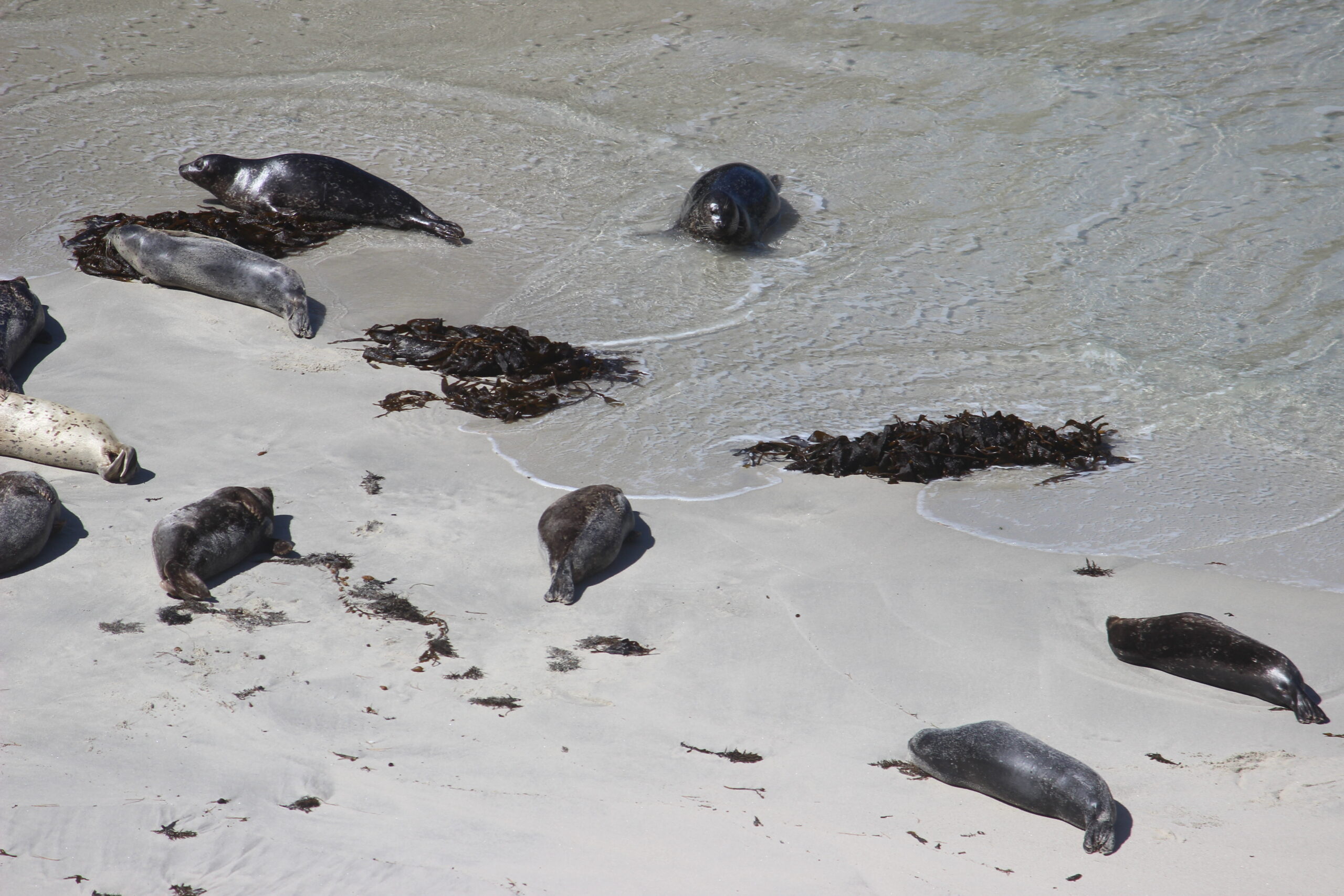
Point Lobos is — without exaggeration — one of the most ecologically dense coastal parks in North America. Robert Louis Stevenson is said to have based Treasure Island partly on its character. Several distinct trails suit different abilities: the Bird Island Trail (0.8 miles, flat, excellent for pelicans and cormorants nesting on offshore rocks), the Cypress Grove Loop (0.8 miles through a grove of ancient Monterey cypress found almost nowhere else on earth), and the longer Whalers Cove to Granite Point route (roughly 2 miles round trip, with sea otters nearly guaranteed in the kelp beds below the cliffs). Docents at the entrance lend binoculars for free. Note: the harbor seal pupping area near Bird Island closes April through June.
Practical: $10/vehicle. Arrive by 8 a.m. on weekends — the lot fills by 9:30 a.m. and the gate closes. No dogs anywhere in the Reserve. Check current conditions at parks.ca.gov before you go.
6. Inspiration Point, Palo Corona Regional Park
Almost no tourists find this one. Palo Corona Regional Park sits just south of Carmel, accessed from a trailhead on Highway 1, and the trail to Inspiration Point climbs steadily through coastal scrub to a ridge with 360-degree views: Carmel Beach below, Point Lobos to the south, the Pebble Beach fairways to the north. The round trip runs about 4.5 miles with roughly 1,200 feet of elevation gain. On a weekday morning, you may have the summit entirely to yourself. Dogs are allowed on leash.
Practical: Free, but a Monterey Peninsula Regional Park District day pass is required — register at mprpd.org before your visit. Dogs on leash. No facilities at the trailhead.
Art, Architecture & Culture
7. Carmel Mission Basilica
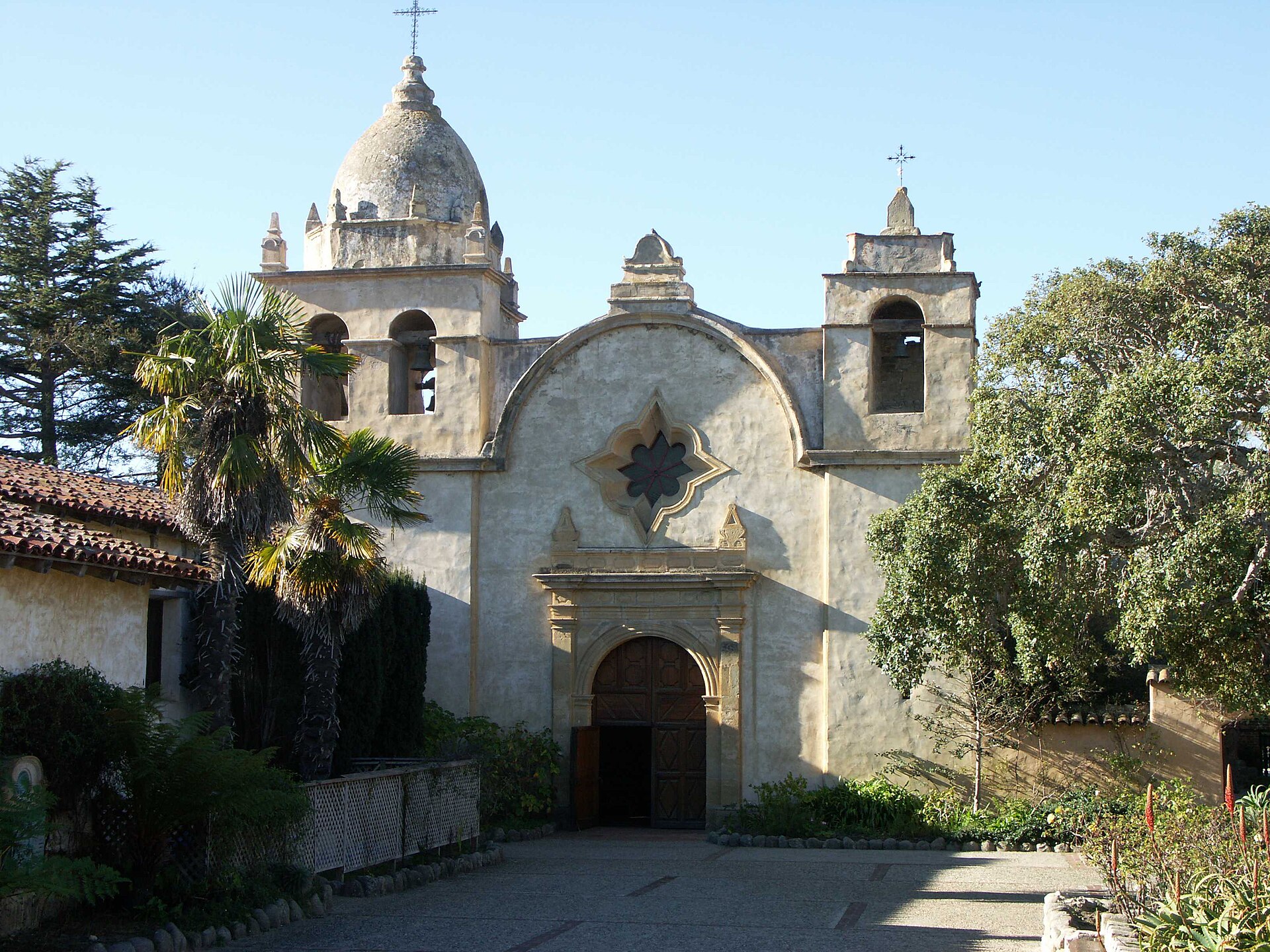
Founded in 1771 by Father Junípero Serra — who is buried beneath the altar — the Carmel Mission is both a functioning Catholic parish and a National Historic Landmark. The Moorish bell tower and star-shaped sanctuary window are among the most photographed façades on the Central Coast. The adjoining museum holds Serra’s original living quarters, native Californian artifacts, and colonial-era religious art. During Carmel Bach Festival season each July, the Mission becomes one of the festival’s principal concert venues, and hearing baroque music in a 250-year-old adobe church is something you will not quickly forget.
Practical: Suggested museum donation $10/adult. Open daily. Free parking in the lot off Rio Road.
8. Tor House & Hawk Tower
Beginning in 1919, poet Robinson Jeffers spent years hauling granite boulders up from the Carmel shore to build Tor House and its companion Hawk Tower by hand — stone by stone, using a block and tackle. He lived there until his death in 1962, writing some of the most ecologically urgent American poetry of the 20th century, including a 1947 Broadway adaptation of Medea. The one-hour docent-led tour covers the house, the tower (climb to the top for a Jeffers-eye view of Carmel Bay), and the terraced garden he planted with his wife Una. Tours are intimate — eight people maximum — which makes them feel like visiting a friend’s house rather than a museum.
Practical: $15/adult, $10/student. Friday and Saturday only; advance reservations are essential — tours book out weeks ahead. Reserve at torhouse.org. No drop-ins.
9. Carmel Art Gallery Scene & Art Walks
Roughly a hundred art galleries operate within Carmel’s single square mile — a concentration found in few places outside Manhattan or Santa Fe. The range is serious: Weston Gallery (founded 1975 at Ansel Adams’ personal urging, representing Adams, Edward Weston, and Imogen Cunningham) sits a few blocks from the Carmel Art Association, the oldest artist-run cooperative gallery in California, established in 1927. European-style passageways off Dolores, Lincoln, and San Carlos streets lead to working artists’ studios that most visitors walk straight past.
Two organized walks make the gallery circuit approachable: the First Friday Art Walk (first Friday of each month, free wine and cheese, galleries open late) and the Second Saturday Art Walk (second Saturday, 14 artist-owned galleries, free to enter). Both cost nothing.
Practical: Free. Galleries cluster along Dolores, Lincoln, and San Carlos between 5th and 7th Avenues. Most open Tuesday–Sunday, 11 a.m.–5 p.m.
10. Storybook Cottage Architecture Walk
In the 1920s, a self-taught builder named Hugh Comstock designed a series of fairytale cottages for his wife’s doll business — and kept going for two decades. More than thirty of his hand-built homes remain in Carmel, identifiable by exaggerated rooflines, round doorways, and hand-plastered walls. The best cluster is in the Comstock Hill District; the most photographed pair are the Hansel and Gretel Cottages on Torres Street at 5th and 6th Avenues. All remain private residences, so this is an exteriors-only walk — but the 45-minute circuit is genuinely one of the more unusual architectural experiences in California.
Practical: Free, self-guided. The Carmel Heritage Society sells a printed map at the Sullivan C. Johnson House (Lincoln at 8th Avenue). Allow 45–60 minutes.
Scenic Drives & Day Trips
11. 17-Mile Drive
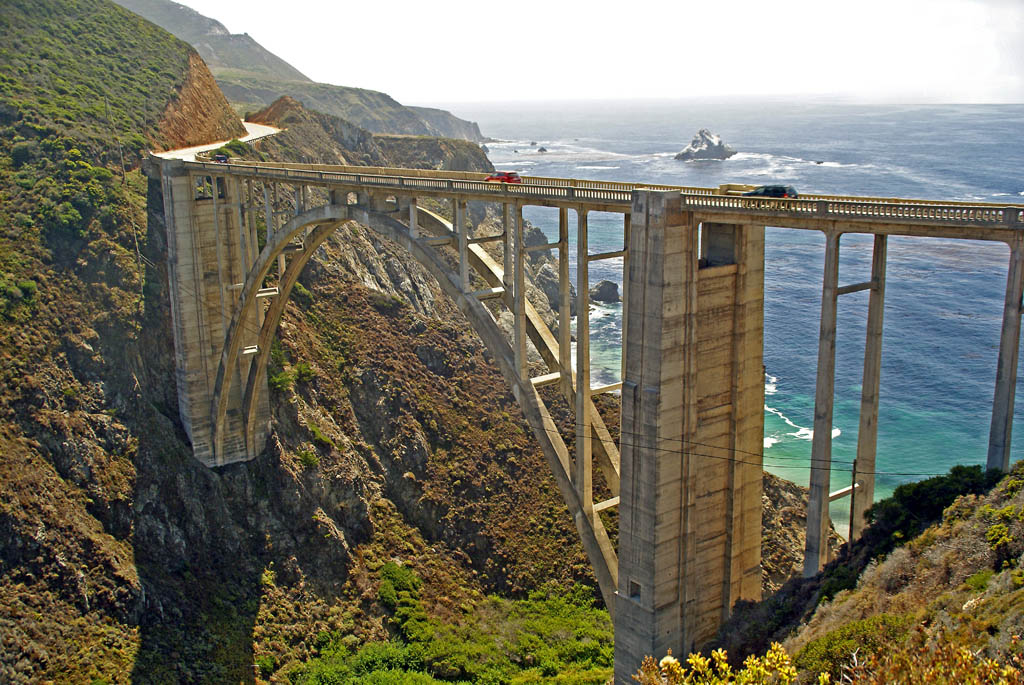
The 17-Mile Drive through Pebble Beach is not unknown, but most visitors do it wrong. Enter from the Carmel Gate (Highway 1 at North San Antonio Road) rather than the Pacific Grove Gate — this routing puts the Lone Cypress, the Crocker Cypress Grove, and Fanshell Overlook in the middle of the drive rather than at the end when energy flags. Fanshell Overlook produces the finest sunsets on the drive. Cypress Point Lookout, marked only by a small brown sign, is routinely bypassed by visitors in a hurry toward Spanish Bay — pull over, because it is the most dramatic coastal vista on the route. The $12.25 vehicle fee is waived when you spend $35 or more at any Pebble Beach restaurant and show your receipt at the gate.
Rather ride? Mad Dogs and Englishmen in downtown Carmel rents e-bikes built for the drive.
Practical: $12.25/vehicle (waived with $35+ Pebble Beach dining receipt). Open daily, dawn to dusk. Carmel Gate entrance at North San Antonio Road and Highway 1.
Wine Tasting & Dining
12. Downtown Wine Tasting Rooms
Sixteen to seventeen wine tasting rooms operate within easy walking distance in the village — the density is unusual even by California standards. For sparkling wine, Caraccioli Cellars on San Carlos Street is the destination; their méthode champenoise program is built around the Monterey AVA, and the room itself is calm and beautiful. Silvestri and Albatross Ridge round out the local producer options. The free self-guided Wine Walk app maps current pours and seasonal specials across the village.
For something more rustic, Carmel Valley is 20 minutes inland on Carmel Valley Road. Folktale Winery offers live music, garden seating, and a relaxed format far from the village pace. The Valley’s tasting rooms represent a distinctly warmer, less maritime style than the coastal producers.
Practical: Downtown tasting fees typically $20–$35/flight. Most rooms open 12–6 p.m. Reserve ahead on weekends.
13. Fine Dining — No Chains, by Law
Carmel’s “formula food” ordinance — prohibiting chain and franchise restaurants within city limits — has been in place for decades. The result is a dining scene with genuine local character at every price point. Two Michelin-starred restaurants anchor the village: Aubergine (inside L’Auberge Carmel, Monte Verde at 7th) and Chez Noir (Dolores at 7th). For a more relaxed evening, Mission Ranch — owned by Clint Eastwood since 1986 — serves solid American cuisine with ocean views and sheep grazing in the pasture below the dining room. La Bicyclette on Dolores does French-Italian bistro fare with wood-fired entrées; Casanova on 5th Avenue holds a 30,000-bottle wine cellar beneath a restaurant built around a former home that once sheltered Vincent van Gogh’s grandmother — or so the story goes.
Practical: Aubergine and Chez Noir book weeks out — reserve before you arrive. Mission Ranch is more walk-in-friendly on weeknights. Plan dinner by 7 p.m. on weekends.
14. Breakfast at The Little Swiss Café
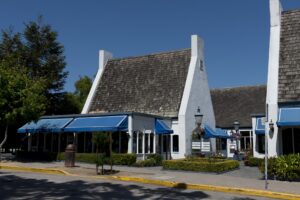
The Little Swiss Café has been a Carmel breakfast institution for decades, tucked into a cozy cottage on the corner of 6th Avenue and Dolores Street. The Swiss-inflected menu runs to cheese blintzes, fluffy pancakes with a long list of mix-ins, and eggs Benedict variations, served in a warm room of quirky booths and hand-painted murals. There are no reservations, and on weekends the line forms early. Arrive close to opening and you will be seated before the wait develops; arrive mid-morning and count on 30–45 minutes on the bench outside.
Practical: No reservations. Open Monday–Saturday from 7:30 a.m. and Sunday from 8 a.m., serving breakfast and lunch until 2 p.m. Budget $15–$25/person before tip. 6th Avenue and Dolores Street.
Events & Festivals Worth Planning Around
Carmel’s event calendar rewards visitors who plan ahead. Several of the following are sufficient reason to book a trip around them.
15. Carmel Bach Festival
Now in its 89th season, the Carmel Bach Festival runs July 11–25, 2026, bringing more than 100 international musicians to the village for two weeks of performances. The theme this year is “The Nature of Sound.” Ticketed concerts fill Sunset Cultural Center and the Carmel Mission. Free community events — open rehearsals, lunchtime concerts in the village — run throughout and require no ticket. If you attend one event, make it the Mission concert: the acoustic experience of Bach in a 250-year-old adobe sanctuary is worth the trip on its own.
Practical: July 11–25, 2026. Tickets $30–$125+; free events listed at bachfestival.org. Book lodging months ahead — the Peninsula fills completely during festival weeks.
16. Carmel Art Festival
Each May, artists from across California converge on the village for a live plein air competition — painters set up across Carmel on a single morning and work their subjects in real time while the public watches. The resulting works are offered by bid that evening. The competition itself is free to watch, and seeing a professional painter working a Carmel cypress or coastline at speed is its own kind of performance. Serious collectors show up for the preview evening.
Practical: Free to watch. Annually in May; exact dates at carmelartfestival.org. Ticketed preview evening for first access to bid on work.
17. Monterey Car Week & Pebble Beach Concours d’Elegance
Monterey Car Week (August 7–16, 2026) draws the rarest automobiles on earth to the Peninsula for ten days of auctions, hillclimbs, and concours events. The Pebble Beach Concours d’Elegance itself is expensive and ticketed. But during Car Week, Ocean Avenue in Carmel fills with extraordinary vehicles — Ferrari prototypes, pre-war Bugattis, coachwork that belongs in a museum — parked by owners who drive them to the village for the day. Walk Ocean Avenue on any weekday morning during Car Week and you have an impromptu show that rivals much of what costs money to attend.
Practical: Ocean Avenue street show: free. Car Week: August 7–16, 2026. All Peninsula lodging sells out months in advance.
18. Carmel Culinary Week
Each June, 30-plus Carmel restaurants participate in curated prix-fixe menus and special wine pairings that make the village’s dining scene accessible across a range of price points. For first-timers who want to try Michelin-caliber cooking without full à la carte prices, this is the window. Popular spots fill within days of menus being published.
Practical: Annual, June. Dates and participating restaurants at carmelculinaryweek.com. Reserve as soon as menus drop.
Dog-Friendly Carmel
Carmel may be the most dog-accommodating village in California, and several of the best things to do in Carmel-by-the-Sea are better with a dog in tow. Carmel Beach is the flagship: dogs off-leash, full length, all day. The Scenic Road bluff walk and Carmel River State Beach (leash required) are excellent secondary options. Most village boutiques and nearly all outdoor restaurant patios welcome dogs. Inspiration Point at Palo Corona Regional Park allows leashed dogs on the trail.
The notable exception: Point Lobos State Natural Reserve does not allow dogs anywhere — on any trail, at any time. Leave them with the fire pit.
Shopping: Ocean Avenue & Hidden Courtyards
19. Carmel’s Courtyards & Boutiques
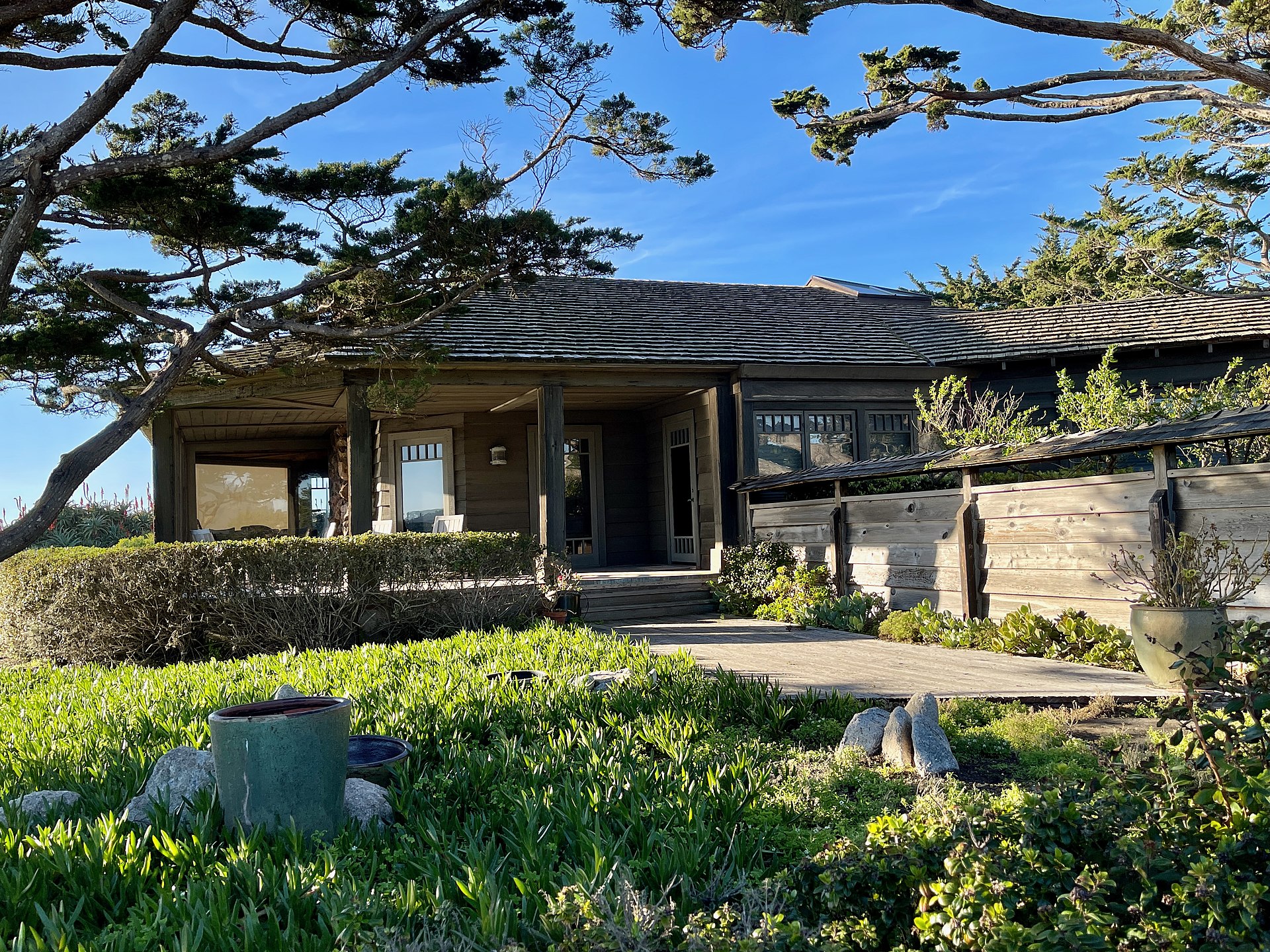
Carmel has hundreds of locally owned boutiques — the formula food ordinance covers restaurants, but the spirit of it runs through the retail scene too. The main drag is Ocean Avenue, anchored at its eastern end by Carmel Plaza (Anthropologie, Tiffany & Co., and Bottega Veneta share a courtyard). The better independent shopping is on Dolores, Lincoln, and Monte Verde streets, where clothing, ceramics, jewelry, and art shops open onto the same European-style passageways as the galleries. Budget an afternoon, not an hour.
Practical: Most shops open 10 a.m.–6 p.m. Free street parking wherever available. California’s sales tax exemption applies to clothing items.
20. Sunset Cultural Center
Carmel’s principal performing arts venue — a handsome 718-seat hall on San Carlos Street — runs a year-round calendar of concerts, theater, dance, and film. The resident Carmel Music Society brings chamber ensembles and soloists throughout the season. The Center is also home to the Bach Festival’s main stage. Check the calendar before your trip: something worth seeing is almost always scheduled.
Practical: Tickets vary by event, typically $25–$85. Box office and calendar at sunsetcenter.org. Parking in the garage on 9th Avenue.
Insider Tips Locals Know
No parking meters. Carmel-by-the-Sea has no parking meters anywhere in the village. Street parking is free wherever it is permitted. The catch: spaces on Ocean Avenue and near the beach are genuinely competitive on weekend mornings. Arriving before 9 a.m. — or after 4 p.m. — is the local workaround.
No street addresses. For most of its history, Carmel operated without official street addresses — buildings were identified by lot descriptions, and the post office required residents to collect mail in person. The city voted to add addresses in 2024, and the transition is still underway. GPS navigation works reliably now, but locals still give directions by landmark: “two doors south of the library,” “the pink cottage on Monte Verde.”
The high-heel permit. A 1963 city ordinance — still active — requires anyone wearing heels higher than two inches on Carmel’s uneven brick sidewalks to obtain a permit from City Hall. The permit is free. Nobody enforces it. Everyone finds it charming. Pick yours up at the City Administrative Offices on Monte Verde Street if you want a souvenir.
Fire pits at dusk. Propane fire pits on the south end of Carmel Beach operate from 8 a.m. to 10 p.m. They claim fast on summer evenings. Arrive by 5 p.m. on weekends to secure one; bring a blanket, food, and something to drink. This is the Carmel ritual that locals keep quietly to themselves.
Fog vs. sun timing. Carmel’s marine layer typically burns off by late morning in summer, leaving brilliant afternoons. Plan coastal hikes and Point Lobos for 10 a.m.–2 p.m. when visibility peaks. In September and October — what locals call “second summer” — the Peninsula sees its warmest, clearest weather of the year. The fog returns by evening and is, frankly, half the atmosphere.
Point Lobos parking reality. The lot holds approximately 150 vehicles and has a hard cap. On summer weekends, it fills by 9:30 a.m. and a queue forms by 8:15 a.m. Arrive when the gate opens at 8 a.m., or go on a weekday. There is no overflow lot.
Free vs. Paid: Quick-Reference Guide to Things to Do in Carmel-by-the-Sea
| Activity | Cost | Key Notes |
|---|---|---|
| 1. Carmel Beach | Free | Dogs off-leash; fire pits south of 10th Ave, 8am–10pm |
| 2. Scenic Road Bluff Walk | Free | Dog-friendly; gray whale viewing Dec–Apr |
| 3. Whale Watching (shore) | Free | Carmel Beach bluffs & Point Lobos cliffs |
| 4. Carmel River State Beach | Free | Dogs on leash; monarchs Oct–Feb |
| 5. Point Lobos State Reserve | $10/vehicle | Arrive 8am weekends; no dogs |
| 6. Inspiration Point (Palo Corona) | Free* | *Free day pass at mprpd.org required; dogs on leash |
| 7. Carmel Mission Basilica | $10 donation | Free parking on-site |
| 8. Tor House & Hawk Tower | $15/adult | Fri & Sat only; reserve ahead at torhouse.org |
| 9. Art Gallery Scene & Walks | Free | First Friday & Second Saturday organized walks |
| 10. Storybook Cottage Walk | Free | Self-guided; ~45 min; map at Carmel Heritage Society |
| 11. 17-Mile Drive | $12.25/vehicle | Waived with $35+ Pebble Beach dining receipt |
| 12. Downtown Wine Tasting | $20–$35/flight | 16–17 walkable rooms; Wine Walk app |
| 13. Fine Dining | $50–$200+/person | Reserve weeks out for Aubergine and Chez Noir |
| 14. The Little Swiss Café | $15–$25/person | No reservations; arrive near opening |
| 15. Bach Festival (ticketed) | $30–$125+ | July 11–25, 2026; free community events also offered |
| 16. Carmel Art Festival | Free to watch | Annual May; ticketed preview evening for collectors |
| 17. Car Week (Ocean Avenue) | Free | Aug 7–16, 2026; Pebble Beach Concours is ticketed |
| 18. Carmel Culinary Week | Varies | Prix-fixe menus; annual June |
| 19. Shopping & Courtyards | Free to browse | Hundreds of locally owned boutiques |
| 20. Sunset Cultural Center | $25–$85 | Year-round; calendar at sunsetcenter.org |
Plan Your Visit
The full range of things to do in Carmel-by-the-Sea takes more than a weekend to cover — though a well-planned 48 hours can get you the beach, a morning at Point Lobos, a gallery walk, a wine tasting, and dinner somewhere you will be thinking about on the drive home. Come in September or October for the warmest weather and clearest light. Come in July for the Bach Festival. Come in December for gray whales on the bluffs and a fire pit at dusk with no company but your dog and the incoming fog. However you arrive, the village will meet you where you are — there is no agenda, no grid, no chain restaurant in sight.