By Isabella Ferrante
There is a particular quality of light in Carmel-by-the-Sea in the last hour before dinner service — low and gold, filtered through cypress, carrying the cold breath of the Pacific up Monte Verde Street. Inside a small dining room at the corner of Monte Verde and Seventh, that light falls on nine tables. Nine. In an era when ambition is so often measured in square footage, the most decorated restaurant on the Monterey Peninsula has spent fifteen years refusing to get bigger. It has only gotten deeper.
Justin Cogley arrived at Aubergine, the restaurant of L’Auberge Carmel, in January 2011. He was thirty-something, quiet, precise, and carrying one of the more improbable résumés in American cooking: before he ever ran a kitchen, he was a professional figure skater, touring for four years with Disney on Ice through Asia, Australia, and Europe. It is tempting to treat that chapter as trivia. It is anything but. Those years were an education in two things that would come to define his cooking — the discipline of practicing one motion until it disappears into grace, and the food markets of Tokyo, Melbourne, and beyond, where a young Midwesterner learned how wide the world of flavor actually was.
When the skates came off, Cogley went to Chicago and spent four years at Charlie Trotter’s, the restaurant that taught a generation of American chefs what rigor looked like, rising to chef de cuisine for his final two. Trotter’s kitchen was famous for its intensity; Cogley absorbed the standards and left the volume behind. Ask anyone who has worked with him and the same portrait emerges — a chef who almost never raises his voice, who corrects with a glance, who believes the plate should do the talking.
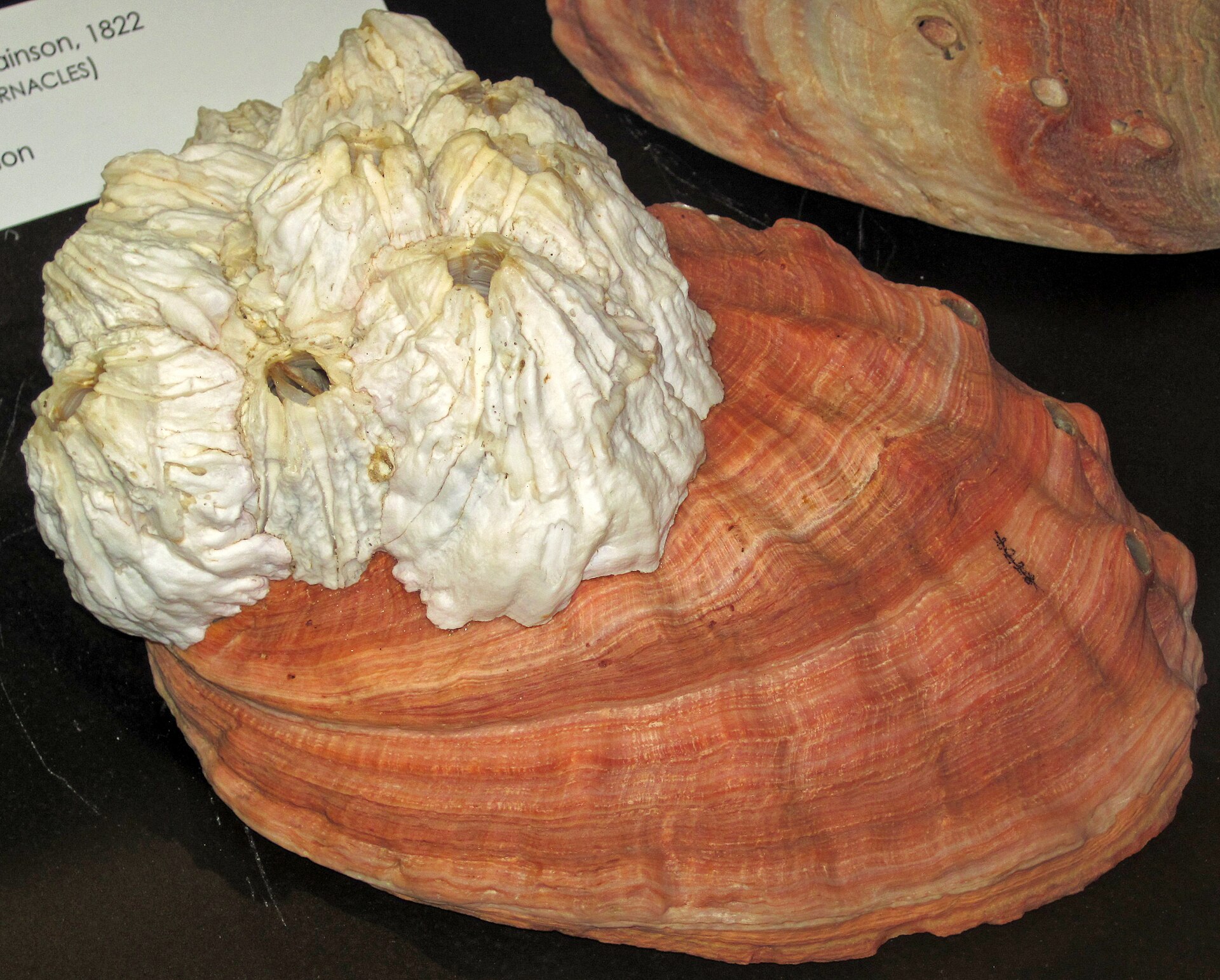
In Carmel, the plate had extraordinary material to work with. Cogley’s insight — obvious in retrospect, as the best insights are — was that the Monterey coastline was not merely a view. It was a pantry. He began walking the tide line at dawn, gathering sea lettuce and other seaweeds from the cold water, building relationships with the divers, farmers, and foragers of the Peninsula. Red abalone raised in the waters of Monterey Bay became a signature — an ingredient with a century of local history, treated with the tenderness of a memory. Even the dining room defers to the sea: curtains the muted green of kelp, light fixtures like something found in a tide pool.
The menu that emerged from this devotion is deliberately small and deliberately alive. Eight courses, and not a menu that changes with the seasons — a menu that changes every day, composed each morning around what the boats, the farms, and the tide line have offered. It is a monastic way to run a restaurant. It is also, Cogley would argue, the only honest one. A dish built for a Tuesday in July cannot simply be repeated on a Wednesday; the ocean has moved on, and so has he.
Recognition came the way it should — steadily, and in the right order. In 2013, Food & Wine named Cogley one of its Best New Chefs, and Relais & Châteaux welcomed him into its fellowship of Grand Chefs, a designation shared by a small international company of cooks. In 2019, the Michelin Guide expanded its gaze across California and gave Aubergine the region’s first star. In 2024 came the second — placing this nine-table room in Carmel among an exceptionally short list of California restaurants so honored. The 2026 guide confirmed both stars once more; Aubergine remains one of only two Michelin-starred restaurants in all of Monterey County.
What is most remarkable about that trajectory is what did not happen along the way. There was no empire. No splashy second city, no television turn, no pivot toward whatever the moment demanded. Other chefs of his generation and pedigree scaled; Cogley stayed. Fifteen years in a single kitchen is nearly unheard of at this level of cooking, and it shows in ways that cannot be shortcut. He knows which weeks the local uni is at its sweetest. He knows the farmers by their first names and their fields by their soil. The restaurant’s suppliers are not vendors; they are a community he has spent a decade and a half tending, the way one tends a garden.
There is a lesson in restraint running through all of it. Cogley’s food has never chased spectacle. A course at Aubergine is more likely to be three elements than thirteen — abalone, perhaps, with the vegetables of the week and a broth that took days to earn its clarity. The luxury is not in ornamentation but in the almost impossible freshness of the thing itself, and in the knowledge that a person of unusual seriousness decided, that morning, exactly how it should taste.
Carmel has always attracted perfectionists — painters, poets, architects who spent lifetimes on a single square mile. Cogley belongs to that lineage more than to any culinary trend. His medium happens to be dinner. Fifteen years in, the nine tables still fill each evening, the menu is still written daily, and the chef is still on the tide line at first light, reading the water. Whatever further honors may come, the essential achievement is already on the plate: an American restaurant that decided the highest form of ambition was to stay put, pay attention, and let a coastline speak.
Aubergine is located at L’Auberge Carmel, Monte Verde Street at Seventh Avenue, Carmel-by-the-Sea. auberginecarmel.com