By Eleanor Whitfield
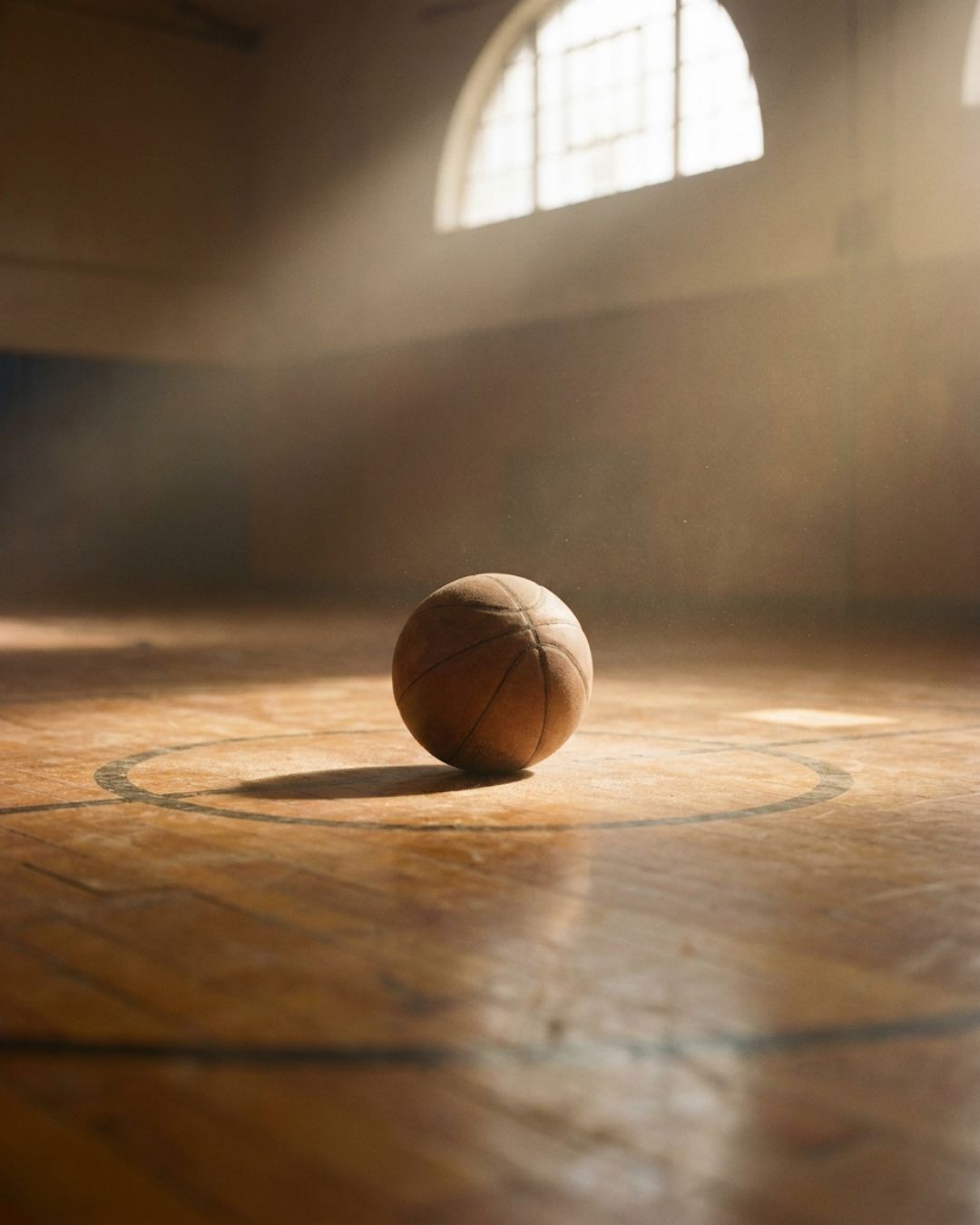
On a July morning at the corner of Fourth and Torres, before the fog has fully lifted from the pines, the low brick building wakes the way it has for the better part of a century. A door props open. Somewhere inside, a ball meets a gym floor and the sound carries out into the quiet street. Children arrive in twos and threes, backpacks slung low, and the day begins the way summer days have begun here since Harry Truman was in the White House. There is nothing grand about the scene. That, in a sense, is the point.
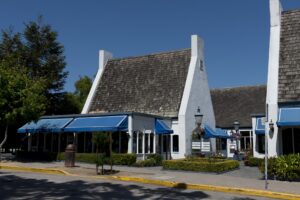
The Carmel Youth Center has stood on this corner since 1949, and it has never pretended to be anything other than what it is: a warm room in the middle of a village where children are welcome simply because they are children. It is easy to walk past. Tucked a few blocks from the galleries and the ocean overlooks, it does not announce itself. Yet for three-quarters of a century it has been one of the most quietly consequential addresses in Carmel-by-the-Sea, and it carries a piece of Hollywood history that most visitors never suspect.
A crooner’s gift
The man behind the building was Bing Crosby. In the years when he was among the most famous voices in the world, Crosby was also, less visibly, a resident of the Monterey Peninsula, living at Pebble Beach and lending his name to the golf tournament that still bears its spirit. It was from here that he funded the establishment of a youth center for the city of Carmel, an empty dirt lot transformed into a place where local children would always have somewhere to go.
Carmel was the first. In the years that followed, Crosby helped create more than two hundred private, non-profit youth centers across the country, a philanthropic legacy that ran alongside the recordings and the films and largely without the same applause. Of those two hundred, the Carmel Youth Center is the only one that remains. The house Bing built is the last one standing.
There is a fitting modesty in how it came to be. The building itself was raised, brick by brick, by members of the community. Some of those who laid the bricks were young then; a few grew up to sit on the board of directors, and the children of founding members serve there still. The center has always belonged to the people who use it, and the thread from 1949 to this summer morning has never been cut.
What a corner remembers
Step inside and the decades layer gently over one another. There is the gymnasium, the after-school hum, the seasonal rhythm of camps and clubs. On the walls, photographs record generations of Carmel childhoods: bicycles and birthday parties, teenagers at dances, the famous “Bing Mobile” that once ferried an earlier era of children. The mission has stayed remarkably constant across all of it. The center exists, in its own words, to provide a safe, positive environment where young people can build character and develop the skills they need to reach their full potential.
That plain sentence conceals a good deal of quiet work. Roughly forty percent of the youth who come through the doors have relied on scholarship funding, provided by community members who prefer to give without fanfare. It is a figure the center speaks of with pride, because it means the room stays open to every child regardless of what a family can afford. In a village known for its beauty and its expense, that openness is its own kind of grace, and it is precisely the culture of giving-back that Crosby set in motion all those years ago.
The year the doors closed
The story is not one of unbroken ease. In the spring of 2023, an investigator from the California Department of Social Services arrived unannounced, following a complaint that the center was providing child care without the proper license. The center could apply for one, the leaders were told, but in the meantime it would have to close. On the third of April, 2023, executive director Jessica Faddis sent word that operations would be suspended until further notice.
For a place woven so deeply into the fabric of Carmel childhood, the silence that followed was hard to absorb. Families who had come to depend on the corner suddenly had nowhere to send their children after school. A seventy-four-year run had paused. For a community that measures time in generations of members, the empty gymnasium was a loss felt well beyond the building.
What happened next is the part of the story worth telling in a summer season. The center did not fade. Its leaders set about securing the license the state required, and its supporters, as they have always done, closed ranks around the corner they were not willing to lose. In April of 2024, the Carmel Youth Center held a grand re-opening, a ribbon cutting that marked not a beginning but a return. The doors that had closed swung open again, and the sound of children came back to Fourth and Torres.
The people who keep it going
A place like this survives on the strength of ordinary devotion. The center is sustained by volunteers who give their afternoons, by board members who inherited their commitment from parents and grandparents, and by families who understand that a room like this is easier to lose than to rebuild. Each summer, a corps of them turns out for the Concours d’Elegance during Car Week, working the great automotive gathering as a fundraiser so that the scholarships continue and the lights stay on. The Nancie Sutton Scholarship, named in memory of one of the center’s own, carries that same spirit of local generosity forward to the next child who needs it.
The programs themselves have grown to meet the moment. Summer camps fill the long days now, alongside teen nights, jiu jitsu, and the Parents Night Out evenings that give families a few hours to themselves. In earlier years the center launched an excursion program, carrying children beyond the village to places many had never seen, an instinct entirely in keeping with a founder who believed a child’s world should be as wide as possible. The offerings evolve; the reason for them does not.
A small resonant thing
By late afternoon the fog has burned off and the light on Torres Street turns gold the way only Carmel light does. Parents drift up to the corner. A door opens, and children spill out with the particular exhaustion of a well-spent summer day, calling back over their shoulders to the friends they will see again tomorrow.
Somewhere on the wall inside, in a photograph gone soft with age, another group of children stands in front of this same brick building, squinting into the sun of a summer seventy years gone. They are grandparents now, some of them, and a few are gone. But the corner they knew is still here, still open, still theirs. The house Bing built was never really about the man who paid for it. It was about the promise that a child in Carmel would always have a door to walk through. On a July evening at Fourth and Torres, that promise is keeping.